At Healing for Gaza, our work is guided by a vision for generational healing. While our global clinic was founded as an emergency mental health response, our approach has been to offer depth, quality and specialised care to treat and heal war trauma in order to interrupt the cycle of intergenerational trauma. We ensure that each individual’s needs are not overlooked. In this way, perinatal mental health is one of the unique areas of specialisation that we actively recruit for and offer to families affected by the genocide in Gaza.
Dr. Helena Vissing is a Healing for Gaza clinician who brings this unique area of specialisation to our work with children and families. Dr. Vissing is a Danish-Palestinian-American psychologist, specialising in psychotherapy and trauma treatment. She has nearly 20 years of experience, working with children, adults, and families. With a focus on perinatal and maternal mental health, her work integrates psychodynamic psychotherapy with somatic trauma healing techniques, highlighting the need to consider the body, relationships, and community.
In this conversation, Dr. Vissing reflects on how perinatal and maternal mental health is both immediate care and long-term preservation for war-affected communities, as well as highlighting the struggles of fathers bonding under chronic stress.
1. Introducing Dr. Helena Vissing
Q: Could you share a bit about your background and the work you currently do, and what led you to specialise in perinatal and maternal healing?
Dr. Vissing: I am a licensed psychologist specialising in psychotherapy and trauma treatment. I grew up in Denmark, where I completed my Master’s degree, and then I moved to the US, where I earned my Doctor of Psychology (PsyD) in Applied Clinical Science.
I was very passionate about developmental psychology and working with children. My first job was as a school psychologist. I was very inspired by Dr. Svend Aage Madsen, a specialist in clinical psychology and chief psychologist at Copenhagen University Hospital. He had been a pioneer in implementing systematic screening of postpartum depression in new mothers, and encouraged me to specialise in perinatal and maternal care. When I became a mother myself, I felt even more called to serve this population.
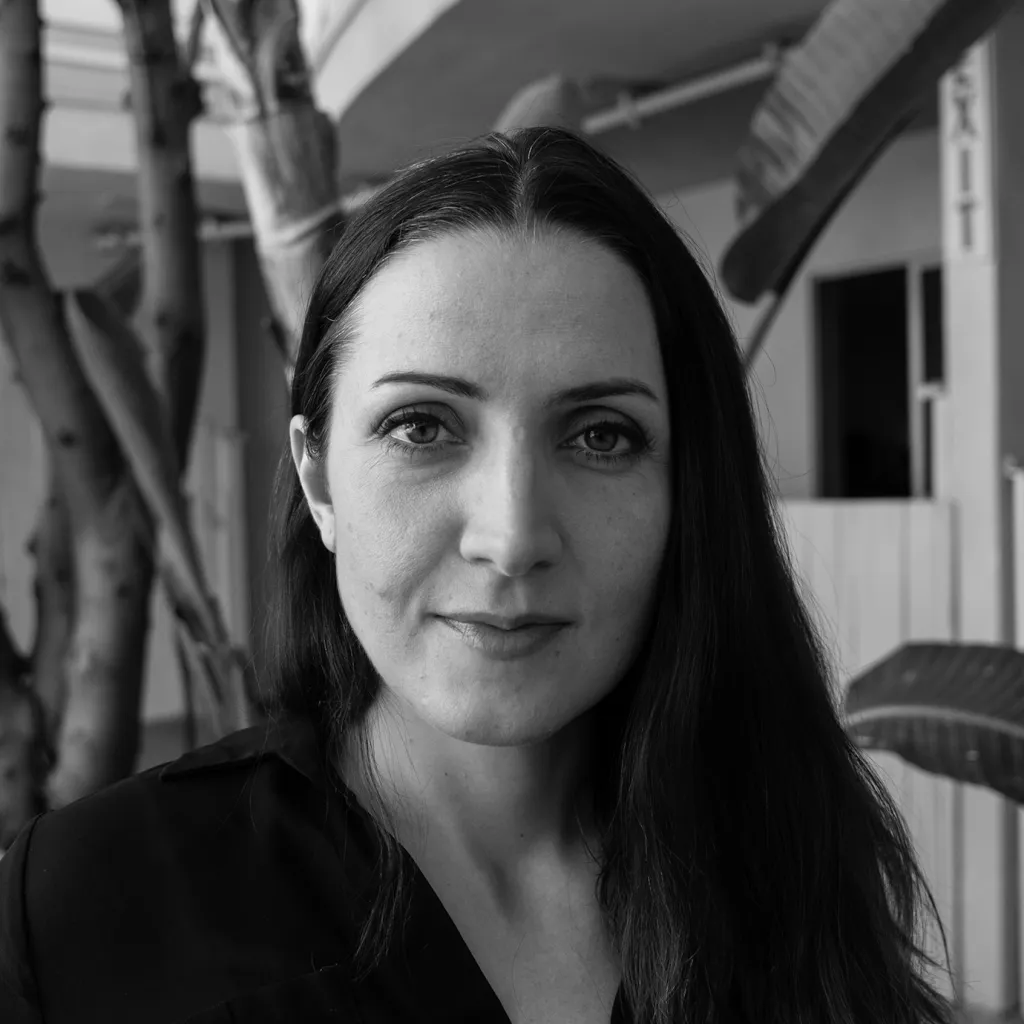
“When I became a mother myself, I felt even more called to serve this population.”
– Dr. Helena Vissing
2. Unpacking Perinatal Mental Health
To effectively support parents, we must first understand what perinatal mental health is and which aspects are often overlooked. This period reshapes identity, relationships, the mind, and even the body. For parents and families in Gaza, these challenges are heightened by ongoing insecurity and uncertainty, making inclusive and immediate support essential.
Q: As a Perinatal Mental Health Certified psychologist, can you explain what perinatal and maternal mental health is?
Dr. Vissing: Perinatal mental health care supports parents’ emotional well-being during pregnancy and the first years after birth, and sometimes also before conception, especially in the case of fertility treatment.
Maternal mental health care indicates that we focus specifically on the mother’s experience, not just the baby’s development. That distinction matters. Too often we only worry about how a mother’s mental health affects the child instead of caring about her as a person in her own right.
Maternal mental health care includes screening and treatment for postpartum depression, anxiety, and trauma. It also includes support around identity changes, relationship strain, sleep deprivation, body changes, and the social pressures of motherhood. Good care recognises that biology, psychology, relationships, and social and environmental stress all interact.
Q: Postpartum depression (PPD) is perhaps the most commonly-known and well-documented aspect of perinatal and maternal mental health, affecting at least than 1 in 10 mothers, even in the best of circumstances. What other mental health challenges do parents face?
Dr. Vissing: We often see anxiety, trauma-related symptoms, and, in some rare cases, postpartum psychosis. Perinatal mental health is actually very broad, with sub-specialisations within it.
You also have to consider that mothers are not all the same.
When we talk about perinatal mental health during the pregnancy and after birth, we focus more on the mother and the parents’ perspective. But we also know that it cannot be separated from the whole family.
When we talk about perinatal mental health during the pregnancy and after birth, we focus more on the mother and the parents’ perspective. But we also know that this cannot be separated from the whole family.
– Dr. Helena Vissing
Q: At Healing for Gaza, nearly 30% of our adult patients are male, and of them, approximately half are fathers. Can fathers experience postpartum depression, and if so, how might that affect mothers, children and the overall family dynamic, especially in households that follow more traditional roles?
Dr. Vissing: Yes, fathers can definitely also experience depression when there is a new baby, and they go through their own major transformations.
In more traditional households, fathers often bear the heavy burden of being the provider and the one responsible for the family’s safety. The mother is doing the more immediate caregiving, which, when you have a newborn, is very all consuming.
When a father’s mental health is affected, it will often present in different ways, we might see overwhelm or anxiety, overworking, pushing themselves, irritability or anger. It is very overlooked and definitely under-researched.
There is also an element of toxic masculinity, where men feel there is no room to talk about their feelings. What does it do to them to be put in this situation? How do they make sense of their role when they’re fathering under these conditions, like the genocide in Gaza?
When a father’s mental health is affected, it will often present in different ways, we might see overwhelm or anxiety, overworking, pushing themselves, irritability or anger.
– Dr. Helena Vissing
It is very overlooked and definitely under-researched.
3. Trauma, the Mind and the Body
Pregnancy and early motherhood are times of profound change, and according to Dr. Helena Vissing, trauma not only affects the mind, but it also shows up in the body and nervous system. The responses of the nervous system and the body can influence everything, from everyday functioning to the ability to bond with a newborn.
Dr. Vissing emphasises the role of trauma in perinatal mental health with a look into how it may affect those living in extreme war circumstances, and those who may not be.
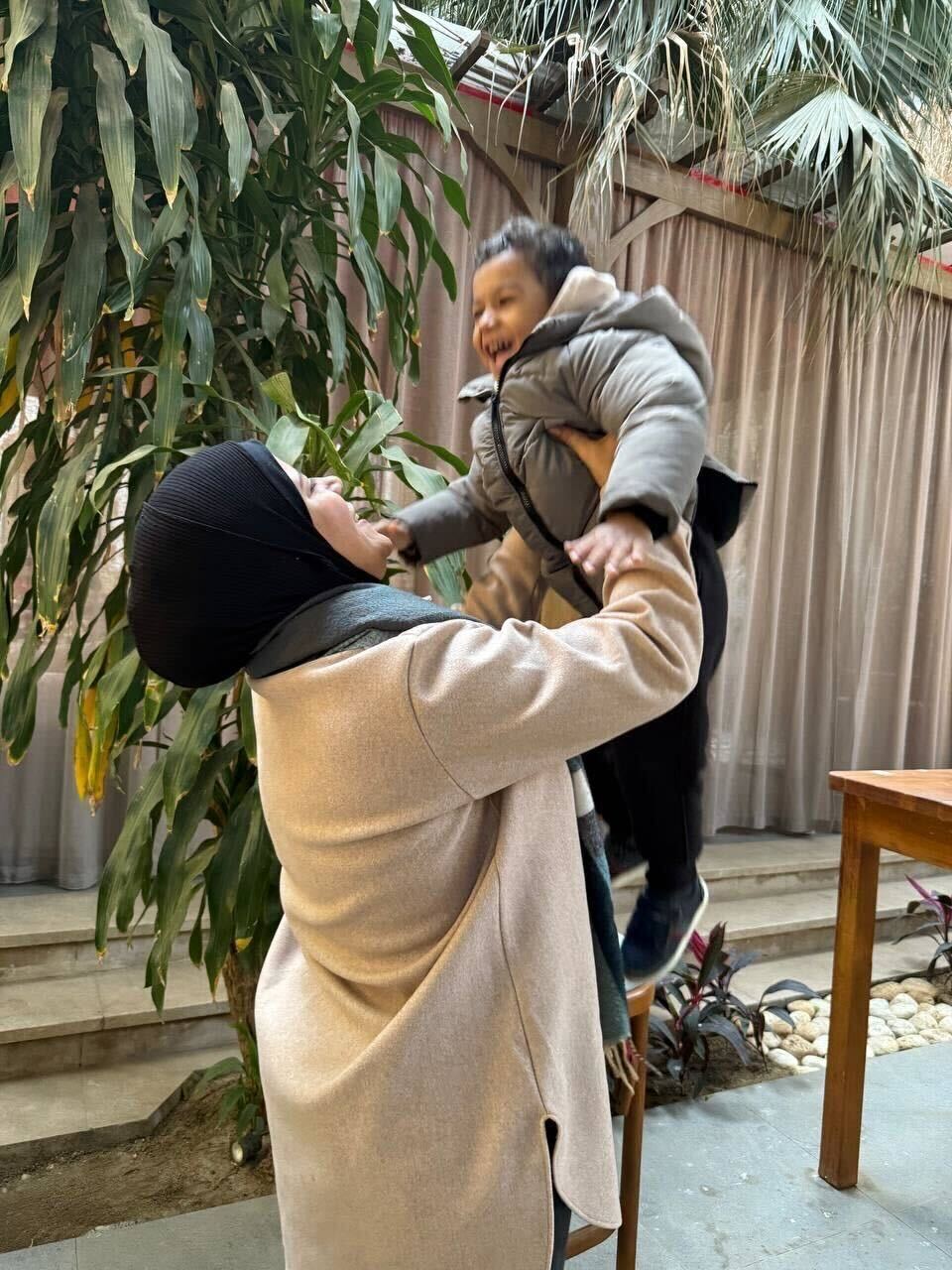
Q: For mothers living in chronic stress, armed conflict, or even a genocide, such as in Gaza, what happens to the nervous system, and how might that affect bonding with a newborn?
Dr. Vissing: When stress is high, it can feel really hard to bond with the baby. But I think it is important to say that even when we feel it is hard to bond with the baby, some bonding is still happening.
Stress can impact breastfeeding, for some mothers, they are unable to breastfeed or are able to do it only for a short amount of time.
Breastfeeding is a part of the bonding process; once that gets going, it can actually be a source of comfort for mothers too.
What is so difficult is that a mother may be grieving if breastfeeding did not work out, while at the same time dealing with what we know has been a major issue, the shortage of formula in Gaza (where reports indicate that the shortage of infant formula has severely affected between 8,000 to 40,000 infants under one year old, leaving them at high risk of malnutrition).
Q: How does trauma show up during pregnancy and early motherhood, even outside of war or extreme circumstances?
Dr. Vissing: Trauma presents differently in the perinatal period, and a lot of the usual models of trauma that have dominated Western mental health frameworks are inadequate.
The way trauma presents in the perinatal transition is, it is often more subtle, and it’s also in very unique and personal ways.
During and after pregnancy, there are very specific and necessary changes in the body’s inflammation system and the way the brain develops and adapts. These impact vulnerability for stress and overwhelm. Many are becoming more aware of how stress and trauma can impact the body — for example sleep, the ability to down-regulate from stress, the immune responses. The same systems are already undergoing big changes during and after pregnancy without stress or trauma being present. So consider the combination of the two; the natural physiological changes of pregnancy and then significant stress or trauma.
Part of having a baby is that you experience heightened anxiety because your nervous system becomes activated to be able to take care of a newborn. But then sometimes you might have mothers whose anxiety does not show up as hypervigilance, but more like depression.
One thing we commonly see is that mothers will give their last resources to their children. So they will often be over-functioning, even if they have high levels of stress or high levels of trauma. And sometimes they do not show the classic symptoms of stress, because they are working so hard to take care of their children.
Sometimes the trauma can come out as irritability, anger, rage, overwhelm, or manifest in physical symptoms such as pain and tension.
One thing we commonly see is that mothers will give their last resources to their children. So they will often be over-functioning, even if they have high levels of stress or high levels of trauma. And sometimes they do not show the classic symptoms of stress, because they are working so hard to take care of their children.
– Dr. Helena Vissing
4. Healing Amid Ongoing Crises
In the context of ongoing instability and crises, the experience of pregnancy and early parenthood is shaped by constant stress and threats. Supporting parents in these settings requires flexible, attentive approaches and techniques rooted in understanding both their psychological and physical experiences.
Dr. Helena Vissing provides healing approaches that focus on bearing witness and providing assistance tailored to the parent(s) and their needs, while honouring their unique psychological and physical experiences.
Q: In the context of Gaza, where trauma is still being experienced rather than being a thing of the past, how does that change the way we approach perinatal and maternal mental health care?
Dr. Vissing: This is what’s really important to Healing for Gaza’s work. So many of the usual ways of working are based on Western frameworks that do not account for constant stressors and ongoing threats.
You have to look at the importance of bearing witness and deep listening.
We have to let go of this idea that we can be the experts that can fix everything, because we can’t, but we can still provide a kind of witnessing that is really important and necessary, being fully present and available in emotional, psychological and spiritual ways.
When we are talking about Palestinians, another term that we have been introduced to in our training is ‘existential suffering’, because the suffering is ongoing for Palestinians.
When we are talking about Palestinians, another term that we have been introduced to in our training is ‘existential suffering’, because the suffering is ongoing for Palestinians.
– Dr. Helena Vissing
Q: In your book, Somatic Maternal Healing: Psychodynamic and Somatic Trauma Treatment for Perinatal Mental Health, you present an integration of psychodynamic psychotherapy with somatic trauma treatment approaches. Could you provide a simple explanation of these terms for those who may not be familiar, and explain why the body is so central to maternal mental health?
Dr. Vissing: My book is based on what we call a biopsychosocial model, which means looking at different areas of research. I studied these different areas and then brought them together, connecting them to psychological research and social research. In doing so, I show the importance of the social context, social factors and relationships, as well as what is happening on a political level.
The body is important because we know it goes through a huge transformation during pregnancy and after birth. This transformation can make you vulnerable to stress and trauma, but it is also a really amazing time of growth, development and bonding.
A baby responds to tone of voice, breathing, muscle tension, and presence, all the nonverbal aspects of caregiving. This means that the nervous system of the new mother is undergoing a big shift during and after pregnancy.
So it is crucial that any treatment during this phase doesn’t overlook the bodily aspects and only addresses cognitions or insights.
This really shows that you have to work with what is happening in the body and the nervous system, but always put it into the wider context of what’s happening on a social level and within the person’s community.
5. Guidance and Support
Q: What message would you give the global community about why supporting perinatal and maternal mental health in Gaza is urgent generational work?
Dr. Vissing: The main thing is that when we work with mothers, we work with the here and now.
Thinking about the dignity of Palestinians means recognising the urgent need for support while also taking into account preserving the culture of the Palestinian people. Such preservation matters for the future as well. For me, this work is about the survival and protection of the Palestinian people.
Q: What guidance would you give therapists who are interested in pursuing a specialisation in perinatal mental health?
Dr. Vissing: My advice is to understand that specialising in perinatal mental health requires very broad training, research and exploration.
This means that a single treatment modality will not be enough. An integrative approach is necessary.
Perinatal clients are very different from one another. It is important to gain experience working with several different perinatal groups. The cultural context is crucial here because mothering is deeply intertwined with someone’s cultural context.
I also strongly believe the perinatal field requires some form of somatic or body-informed approach, because the perinatal period is a time of huge nervous system reorganisation. Perinatal therapists must be very grounded in their own bodies so they can offer adequate support for clients going through one of the most profound transitions.
The perinatal period is a time of huge nervous system reorganisation. Perinatal therapists must be very grounded in their own bodies so they can offer adequate support for clients going through one of the most profound transitions.
– Dr. Helena Vissing

Diana Almasri is a Syrian-Antiguan, holding a BA in International Relations and Area Studies from Jagiellonian University, with specialisations in International Security and SWANA Studies. Diana currently serves as Communications Intern at Healing for Gaza and a Communications Co-Lead at Climate Sirens


